Convection heating radiators
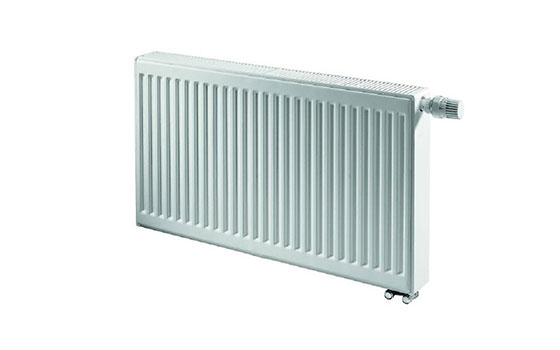
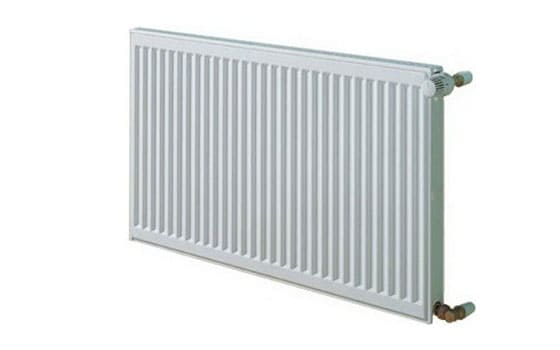
The design of this heater features a fin shape that increases the heat transfer area and creates air channels, thereby increasing performance. In the air channels, the air heats up and begins to move to the top of the radiator. The movement of heated air creates a discharge zone in the lower part of the heater. The resulting discharge zone draws in colder air from the bottom of the room like a vacuum cleaner, which heats up as it passes through the air ducts.
Such radiators include panel (steel), bimetallic, aluminum and fan coil units.
Radiant radiators for heating
Here, heat energy is transferred from a body with a higher temperature to a body with a lower temperature. This type of heat transfer differs from convection heat transfer in that heat energy can be transferred through a vacuum.
Radiant radiators most often have a large area to increase heat transfer, as a result of which the amount of coolant in them is quite large, which increases the capacity of the heating system as a whole.
Such devices include cast iron radiators and registers.
According to the design, heating radiators can be of different types:
Steel (panel) radiators
This type of radiator is widely used in the design and installation of modern heating systems. Such a radiator consists of two steel plates between which the coolant circulates.
The main advantages of such radiators are strength, durability and high thermal conductivity. In addition, such devices delight the buyer with their ease of installation, appearance, and affordable price. The disadvantages of such radiators include the undesirability of their location in wet rooms (for example, bathrooms and swimming pools) due to their susceptibility to corrosion.
Bimetallic radiators
Such radiators are used in heating systems of all types without pressure restrictions. Their use will be relevant both in the installation of a new heating system and in the reconstruction of an existing system. Due to the design of such radiators, the coolant moves through steel tubes that transfer heat energy to panels that heat the environment - air. They are widely used in the installation of heating systems for private houses, apartments, and offices. If we talk about the disadvantages, we note the difficulty in removing dust from the intersectional space and the possibility of leakage from defective sections. However, a defective section can be easily replaced.