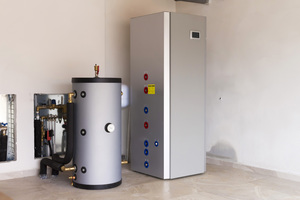
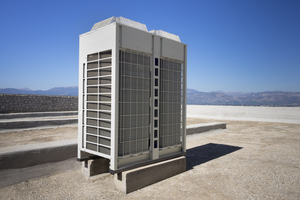
A heat pump – is a modern heat-generating device that uses dissipated heat energy from natural resources such as air, soil and/or water to heat the heating medium of a heating system.
Inside the heat pump there is an evaporator, which heats the refrigerant from the dissipated heat of the environment. Refrigerant is a special liquid that has the physical property of boiling at a temperature of about 0°C. After being heated in the evaporator, the working fluid boils and turns into a gaseous state. In the compressor, the gas is compressed and heated. In the condenser, the heated gas transfers heat to the heating system, after which it cools down and returns to its liquid state. The refrigerant then passes through a throttle (expansion valve), where its pressure is reduced to its original state. The refrigerant then returns to the evaporator. The circuit closes and the process repeats.
Features of heat pumps
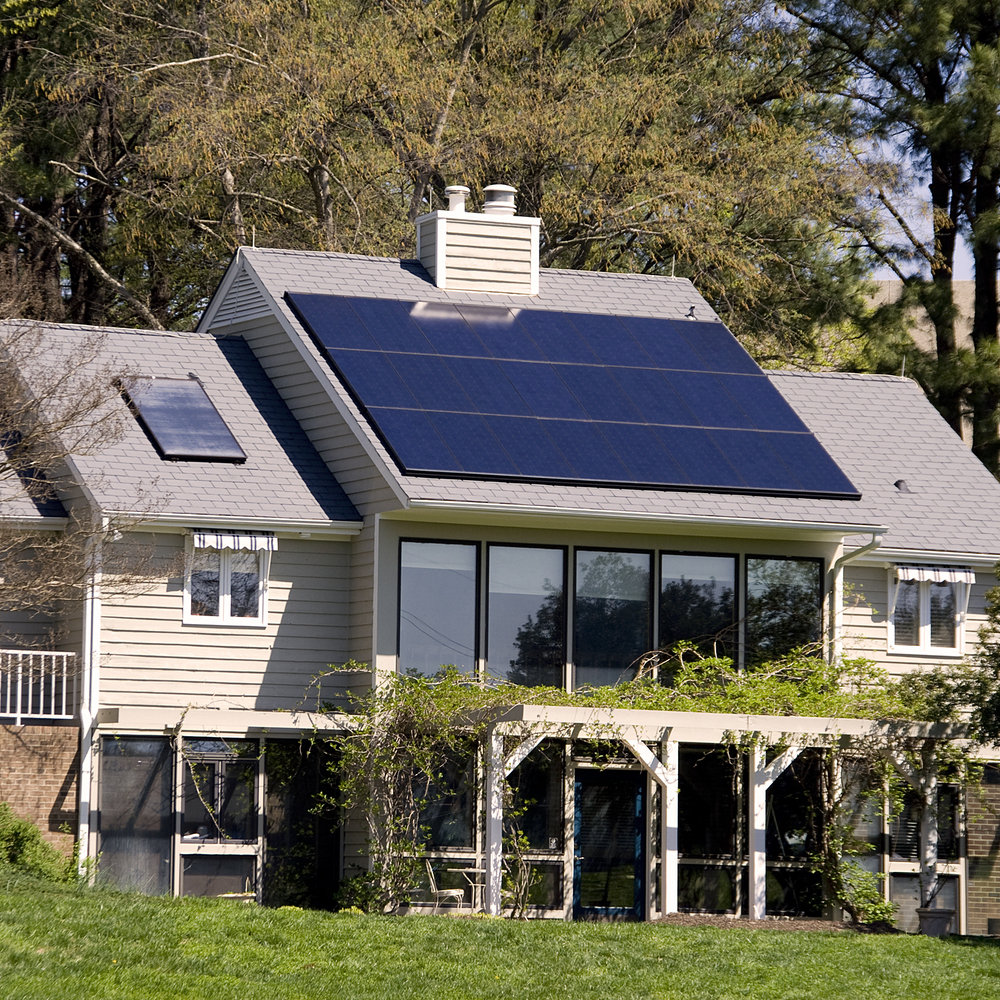
The tariff policy of the state in the energy market is changing rapidly, which makes the use of a heat pump more popular every day. A heat pump for a house of even small capacity can significantly reduce the cost of heating your home.This device uses the free heat of the environment for heating, cooling or uninterrupted hot water supply. However, electricity is required to operate the heat pump compressor. The best option is to combine different heat sources in the house: a gas boiler with solar collectors and/or a heat pump.
A home heat pump can significantly reduce heating costs for your home.
Heat pump for heating
Heat energy is transferred directly to the heating system. Such heat pumps are characterized by optimal operation with heating systems with low heat carrier temperature, made with the use of underfloor heating and fan coils.
To work with radiator, classical heating systems, it is necessary to take into account the compensation for the low temperature of the heat carrier, the increased area of heating devices.
Main types of heat pumps
An air-to-water heat pump extracts heat from the air, heats it to the required temperature and transfers it to water (the heating medium of the heating system) through an intermediate freon circuit. Such a heat pump is universal in its functionality and is used not only for heating, but also for preparing hot water and heating the pool. Given the mild climate and the high cost of drilling operations, this is the best option for those who are thinking about installing a pump for a house in Odesa.
The air-to-air heat pump takes heat from the colder outside air, further reduces its temperature, and gives it to the heated room. In the cold season, pumps of this type provide heating, and in the hot season, they work like a regular air conditioner. They are most widely used for seasonal heating of residential premises, as well as in hotel construction.
A ground-water heat pump (geothermal pump) uses heat from the ground and transfers it to water, the heating medium of the heating system. The soil has a constant temperature and is able to give off heat regardless of weather conditions. It is most widely used in regions with moist soil, where the ambient temperature during the heating season is quite low. The disadvantage of this system is its high cost and significant installation costs.
Types of geothermal heat pumps
There are two types of geothermal heat pumps:
open (borehole)
closed (brine-water)
In a borehole heat pump, water enters through a well from the aquifer. Such devices are characterized by high performance, but have a number of significant drawbacks.
To use them, it is necessary to provide for preliminary hydrogeological exploration of the aquifer and the possibility of discharging water after heat extraction into the same aquifer to avoid its depletion. The main obstacle to the spread of such a solution is the contamination of the aquifer, which is unacceptable in the face of rapid environmental deterioration.
The brine-to-water geothermal heat pump has an additional circuit that allows heat to be removed without disturbing the ecological balance. According to its location, there is a vertical and horizontal placement of the additional circuit. When placed horizontally, the circuit should be located below the ground freezing point. To maintain effective operation for many years, the contour should not be covered with buildings or covered with asphalt.
When placed vertically, the circuit is located in wells, at a depth of 20-100 meters. This arrangement reduces the area occupied by the circuit.
What should I look for when choosing a heating pump?
Type of heat pump. The most universal solution is the air-to-water and air-to-air heat pump. The most durable is the ground-water one.
COP. The ratio between the consumed and produced energy characterizes the efficiency of the heat pump.
Heat pump design: split system or monoblock.
Possibility of built-in automation to control the heating system.
Noise characteristics of the equipment.
Availability of software for remote access.
Parameters for calculating the power and efficiency of a heat pump for home heating
Heat losses of the object, which are calculated taking into account the material and thickness of the building envelope: walls, roof and windows, and the climatic zone of the pump installation.
The design temperature of the heating system during the heating period is different for each specific region and is regulated on the basis of the DBN of Ukraine.
Installation of a new heating system or modernization of an existing one.
Equipment used in the heating system, on the basis of which the operating costs of the heat pump are calculated.
Type of operation: monovalent (heat pump only) or bivalent (heat pump and additional heat source).
Calculating a heat pump for home heating is a rather complicated process. By contacting Reneco, you will receive a detailed calculation based on the latest specialized software.