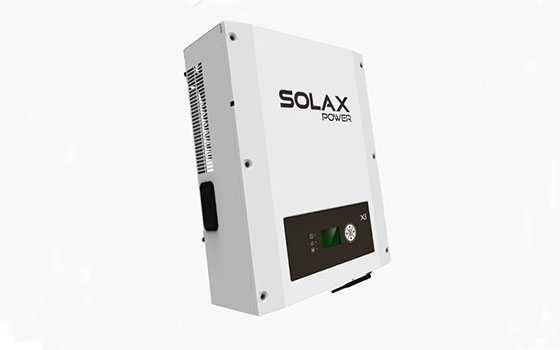
A solar inverter is a device that belongs to the main equipment of any solar power plant. The main task of the inverter is to convert the direct current received from solar panels into alternating current.
Advantages of cooperation with Reneco
Availability of an exchange fund
Minimum delivery time throughout Ukraine
Warranty and service obligations
Flexible system of discounts
Availability of a regularly replenished warehouse in Odesa
In order to buy a solar inverter, please contact Reneco, whose specialists will provide expert advice in choosing the right equipment.
7797
Types of inverters
A grid-tie inverter transmits the converted AC current of the battery to the existing single-phase or three-phase network directly, without the use of batteries. They are widely used at home and industrial facilities, the main task of which is to reduce the cost of electricity, as well as its sale at a "green" tariff.A stand-alone inverter is used in off-grid solar power plants designed to provide guaranteed or backup power supply at the facility. Such an inverter can be connected to the power grid or operate completely autonomously. It can serve as an uninterruptible power supply. Also, a gasoline-diesel or gas generator can be used instead of the mains. Batteries are required. It is possible to have a built-in battery charge controller from solar panels.
A hybrid inverter combines the functions of a grid-tie and stand-alone inverters, has many priorities for powering the load and charging the battery, and often has the ability to "mix" energy flows from different sources to power the load or charge the battery. It can transfer energy to a centralized grid to save consumption and / or sell at a green tariff. The price of this type of inverter is higher than the two previously listed.
Parameters and characteristics of inverters
Input voltage. It is necessary to correctly correlate power and voltage to avoid energy losses at the points of wire connections.
Rated and peak output power. Ideally, it should be equal to the sum of the maximum power of all loads.
The shape of the output voltage. It is better to choose an inverter with a pure sine wave, the voltage waveform of which is no different from the voltage waveform of the centralized network.
Protection. A high-quality inverter must be protected against: short circuits, battery voltage failures, overheating and overload.
Efficiency: The amount of energy lost from the sun depends on this parameter. The best option for efficiency is at least 90%.